


Why We're MADE FOR THIS
Learn what we're doing to transform health care, prepare the next generation of leaders, and solve the world's greatest medical challenges.
Stories
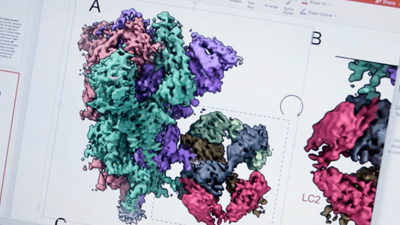
Researchers at Duke's Human Vaccine Institute are leading research aimed at developing vaccines
Researchers at the Duke Human Vaccine Institute are leaders in research aimed at developing vaccines that teach the human immune system to respond to diseases like influenza, HIV, and cytomegalovirus (CMV) which impact hundreds of thousands of people globally. The Immune Resiliency Initiative, which is part of Duke’s larger Science and Technology endeavor, encompasses this work.
Duke Human Vaccine Institute is part of the Duke University School of Medicine and Duke Health.

Researchers in Duke's Global Health Institute are improving cancer care in Tanzania
Dr. Kristin Schroeder and her team in the Duke Global Health Institute have been working in Mwanza, Tanzania, to improve outcomes for children with cancer. They are finding that success is not always a matter of resources or equipment, but in finding creative ways to overcome the roadblocks that keep families from accessing cancer care.

$2.2 Million Haller Foundation Gift to Benefit Kidney Transplant Research
Haller, of Fort Lauderdale, Florida, says the journey leading up to and after her adult daughter’s kidney transplant in 2017 was at times difficult—from being on dialysis to waiting for a donor, to learning to adjust to life after the transplant.

Pathology Current and Former Faculty Members Give Back
Like a lot of alumni, David N. Howell, learned from a number of influential mentors when he was a student and trainee at Duke. Unlike most, he married his mentor,
Sara E. Miller, and together they made a substantial gift to create The Rollie Assistant/Associate Professorship of Correlative Pathology.
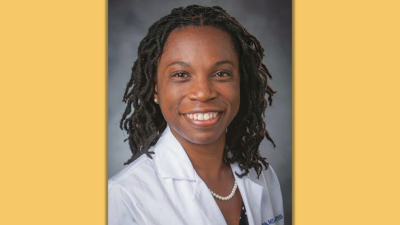
Fine-tuning Treatments for Breast Cancer
National cancer databases provide a ton of valuable information for researchers, but institutional data is often more granular, including details such as specific chemotherapy regimens, radiation doses, treatment durations, and recurrence rates. The Duke Breast Database (DB2), a big data initiative, is invaluable for health researchers like Oluwadamilola “Lola” Fayanju, MD, assistant professor of surgery and the principal investigator for the database.
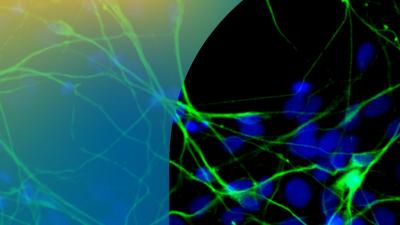
Parkinson's Disease: The Stars in Our Brains
Three leading researchers team up to explore new targets in the search for the origins of Parkinson’s disease.

Changing of the Guard
Heather Whitson, MD, HS’01-’04, takes the reins at the Duke Center for the Study of Aging and Human Development as Harvey Cohen, MD, HS’65-’67, ’69-’71, steps down after almost four decades.

Revealing the Secrets of Rare Diseases
Grace Terrell, MD’89, HS’89-’90, uses precision medicine technology to improve the odds for patients in search of diagnoses.

Putting Data and Tech on a Fast Track
In her new position as principal deputy commissioner of the U.S. Food and Drug Administration, Amy Abernethy, MD’94, HS’94-’01, PhD, is working to use data and precision medicine to develop more efficient ways to deliver personalized care.

A One-Dollar Bill Leads to Almost $20,000 for Pancreatic Cancer Research
A one-dollar bill started it all. In 2011, John and Andrea Pitera had just opened Mojo’s on the Harbor. Brooke Williams, their very first customer, paid in cash and signed their first dollar for good luck. He had no idea that he was starting a trend that would lead to thousands of dollars for cancer research.