


Why We're MADE FOR THIS
Learn what we're doing to transform health care, prepare the next generation of leaders, and solve the world's greatest medical challenges.
Stories
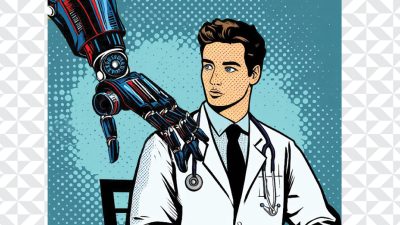
ChatGPT Enters the Classroom
School of Medicine faculty are using the capabilities of ChatGPT, to improve students’ learning experiences.
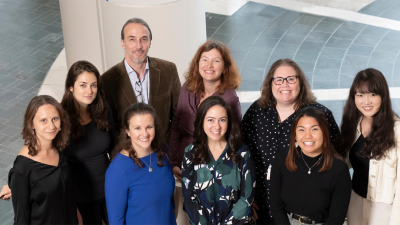
New Gift Continues Work to Advance Understanding and Treatment of Misophonia
Duke has received a new $1.25 million, five-year gift from an anonymous family that builds on their previous support for the Center for Misophonia and Emotion Regulation.
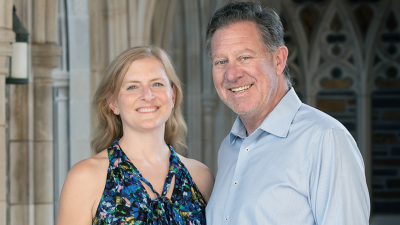
Planned Gift of Estate Reflects Couple's Deep Commitment to Duke
Krista Patterson and Jonathan Wigser have made a planned gift commitment of their estate to Duke Children's, Duke Cancer Institute, School of Medicine, and Fuqua School of Business.
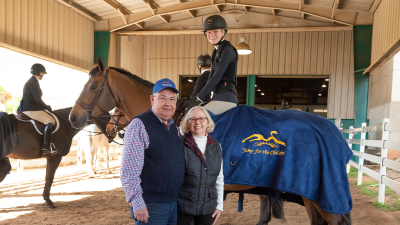
A Horse Show, and So Much More
'Jump for the Children' celebrates 40 years of incredible support for Duke Children's.
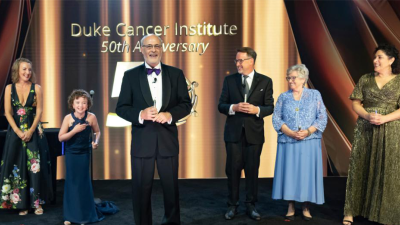
DCI 50th Anniversary Raises More than $86M
In honor of DCI's 50th anniversary, our amazing donors helped us raise more than $86 million for cancer research and care.
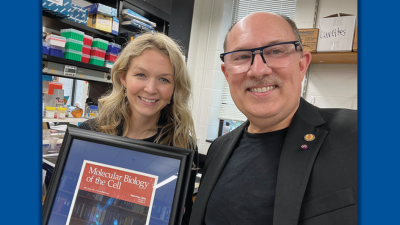
Felicia Pagliuca Follows Her Fascination
When Felicia Pagliuca arrived at Duke as a first-year undergraduate student from Asheville, she was only 16, but she was already fascinated by biology and physics.
Retired Educator’s Estate Gift Will Support a Haven for Healthy Weight Management
A friend of Duke Health understands firsthand the struggle of being overweight. “Being overweight comes with a myriad of medical, physical, and emotional problems,” said the anonymous donor, of Rye Brook, New York. “For me, it was about my own self-esteem and wanting to improve my health.”

Duke Receives Grant Aimed at Improving Health of Durham Residents
Duke Health, in partnership with the Durham County Department of Public Health, has been awarded a grant totaling $750,000 from The Duke Endowment.

A Team of Passionate Hearts
A Duke Children's clinic finds the perfect match in a supporter with a passion for helping those who need it most.

A Giving Journey
The choice to become a Duke Children's donor launched George Grody down a path of giving that recently topped $1 million.