


Why We're MADE FOR THIS
Learn what we're doing to transform health care, prepare the next generation of leaders, and solve the world's greatest medical challenges.
Stories
A Gut Sense
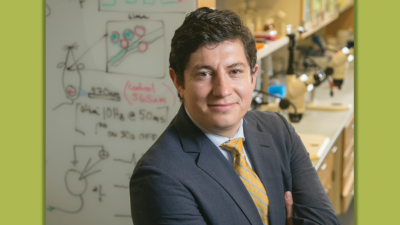
Diego Bohórquez, PhD, associate professor in medicine, has become known as a “gut-brain neuroscientist.” His team has shown that neuropod cells, a type of sensor cell in the gut, communicate with the brain and help influence decision making about food. This work opens up the possibility of targeting the gut to treat mental health disorders and has been recognized by the U.S. National Academy of Sciences, the office of the Director of the National Institutes of Health (NIH), the New Yorker, and more.
Promising Results of Poliovirus Research Possible Thanks to Philanthropy
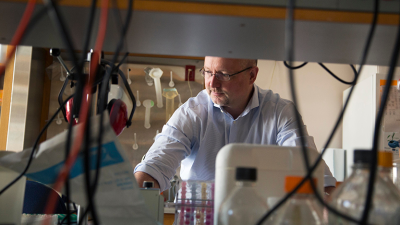
In a daring yet successful experiment back in 1995, Matthias Gromeier, MD, discovered that genetic recombination of poliovirus with a distant relative, human rhinovirus type 2, eliminates the disease-causing capacity of poliovirus. Yet, the modified virus retains the ability to infect and damage cancerous cells, owing to their abnormal “wiring,” and—more importantly—provides powerful immune stimulation by inducing host antiviral defenses.
Eliminating Brain Tumors with Immunotoxin
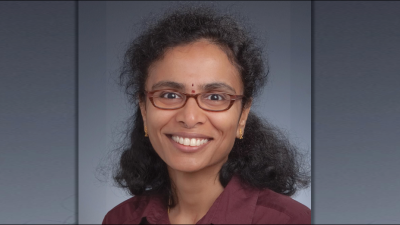
To improve the survival of patients with brain tumors, Vidya Chandramohan, PhD, focuses on developing bacterial toxin-based therapies for glioblastoma.
A Revolution for Pediatric Organ Transplant
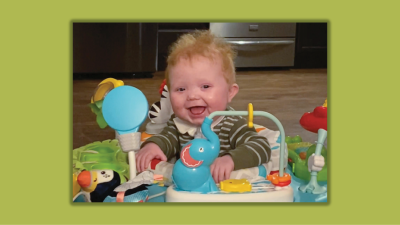
In 2021, a baby boy named Easton Sinnamon was the first person in the world to receive a combination heart transplant and allogeneic processed thymus tissue implantation. Six months later, a video showed Easton smiling and playing in a high chair, and tests indicated that the processed thymus tissue was working: building the T cells needed for a well-functioning immune system.
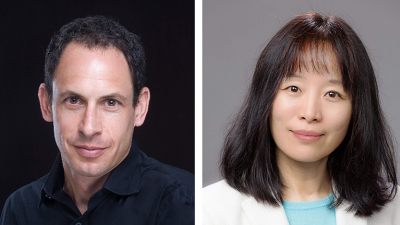
Finding the Meaning of Perception in the Brain
Gifts from generous donors have helped researchers who are working to answer basic questions about the human brain—answers that could lead to important discoveries in disease and improve patient outcomes.
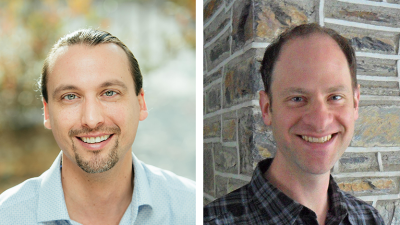
Collaborating to Find a Cure for Blindness
For patients who find themselves slowly beginning to lose vision, today’s doctors have gene replacement therapy as a treatment option. However, there’s a small window of time when the therapy will work best, meaning if a patient isn’t seen soon enough, vision cannot be restored.
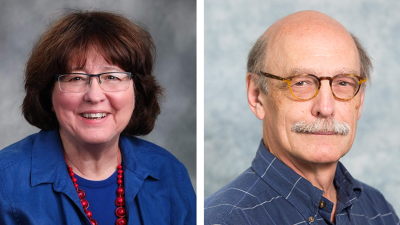
Uncovering the Complex Pathways of Alzheimer’s Disease
Finding a way to slow or even stop Alzheimer’s disease is one of the most difficult challenges facing medicine today. Many research and clinical trials have led to promising results over the years, while others have produced disappointing findings. But what if there were a way to get more out of these trials—even the ones with less-than-promising results? What if there were a better way to determine if a drug is hitting its intended target?
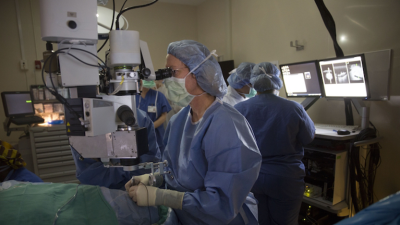
A Window into the Infant Brain
In 2008, Cynthia Toth, MD, set out to develop optical coherence tomography (OCT), a technology that bounces light waves off different parts of the eye, providing a finely detailed look inside the eye’s tissues for pediatric use. She is now recognized as the founder of pediatric OCT. For infants and children.
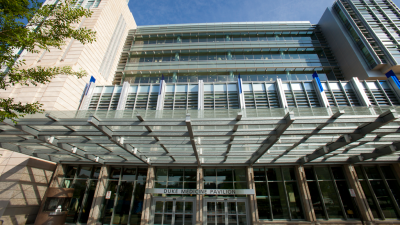
Duke’s Organ Transplant Program: Out With the Old, In With the New
Duke’s Organ Transplant Program: Out With the Old, In With the New
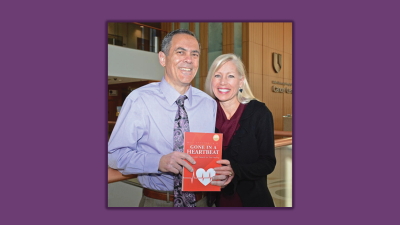
$2 Million Bay Area Lyme Foundation Grant to Benefit Lyme Disease Research in Honor of Neil L. Spector, MD
For many years, the late Neil L. Spector, MD, who was a leading cancer researcher at Duke Cancer Institute, struggled with Lyme disease. Initially, he was misdiagnosed and when finally treated with antibiotics, some of his symptoms improved but his heart was irreparably damaged due to Lyme carditis, a condition that occurs when Lyme disease bacteria enter the tissues of the heart.