


Why We're MADE FOR THIS
Learn what we're doing to transform health care, prepare the next generation of leaders, and solve the world's greatest medical challenges.
Stories

Triangle Rock Clubs Owner Climbs Mountain of Metastatic Prostate Cancer
Joel Graybeal knows what it’s like to work at a business where people mean more than the bottom line. At Triangle Rock Clubs, where he is managing partner, employees find joy in helping clients climb their way to better health and fitness. Some of them even find their soul mates: the clubs’ colorful climbing terrains have served as backdrops for several marriage proposals.
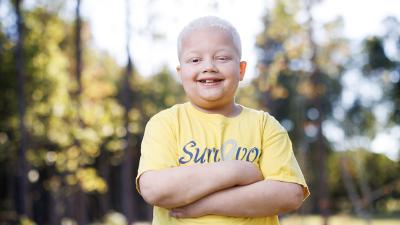
Randall's Journey
In 2017, JaNiece and Randy Saladin were devastated to learn that their 8-month-old-son, Randall, had a brain tumor. Today, Randall is thriving thanks to support from the Duke Pediatric Neuro-oncology Program team and a breakthrough FDA-approved drug.
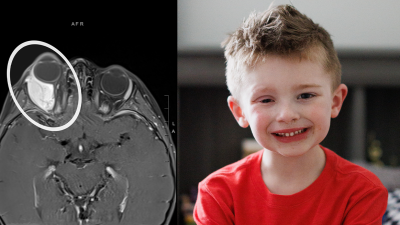
Historic Gift Will Bring Proton Therapy to Duke
Colton Goodman of China Grove, North Carolina, was just 3 years old when he was referred to Duke after an MRI showed a growth behind his right eye. At Duke, he was diagnosed with rhabdomyosarcoma, a life-threatening muscle tissue cancer that is most often seen in children.

Duke’s Novel Onco-Primary Care Program Improves Lifelong Cancer Continuum
Cancer outcomes improve when patients’ primary care providers are active members of their cancer care team. That’s why Duke Cancer Institute founded the Center for Onco-Primary Care — the first program of its kind in the nation.
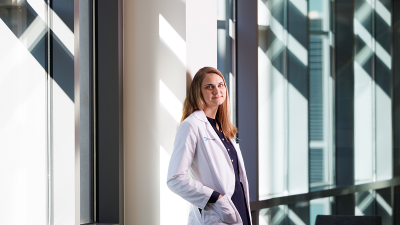
A Rising Tide of Kidney Disease in Rural Communities
A new wave of kidney disease is ravaging rural farming communities across the globe, and climate change may be at its heart.
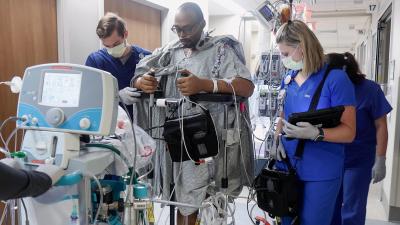
Duke Transplant Team Helps Pioneer Total Artificial Heart
A Graham, North Carolina, man became the second person in the world to receive the device, which provides a bridge to transplant.

An Enduring Gift: The Branch Endowment for Duke Heart and Duke Cancer Institute
It's all about leaving a legacy. That’s what Brad Branch said about establishing the Catherine S. and J. Bradford Branch Fund with his wife, Catherine Shingleton Branch. Through a generous estate gift to Duke, the couple has created an endowment to benefit both Duke Heart and Duke Cancer Institute (DCI).

Living Liver Donor and Robotic Liver Transplant Surgery Save Baby
When baby Kara Pace needed a liver transplant, a friend of the family stepped up to donate part of her liver. After undergoing the first robotic liver transplant surgery at Duke Health, baby and donor are doing well.
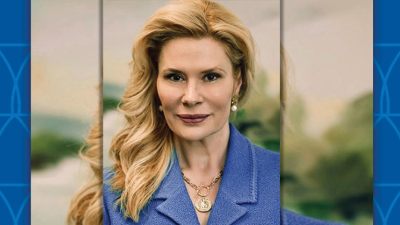
Stacy Waters Appointed Vice President of Duke Health Development and Alumni Affair
Stacy Waters, MBA, has been named the new vice president of Duke Health Development and Alumni Affairs (DHDAA), effective November 4, 2024.

The Road to Recovery
The May family made it through a harrowing injury with help from plenty of Duke friends.