


Why We're MADE FOR THIS
Learn what we're doing to transform health care, prepare the next generation of leaders, and solve the world's greatest medical challenges.
Stories
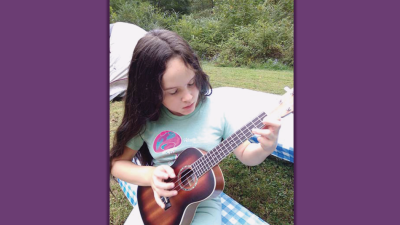
A Trusting Relationship
Although the term “eating disorders” is fairly common, it’s a bit misleading. That’s according to experts at Duke who say eating disorders are not about eating. Rather, individuals diagnosed with an eating disorder have a disrupted relationship with their bodies, which gets in the way of their ability to live fulfilling lives.
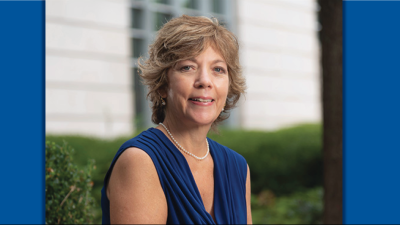
Navigating an Evolving Profession
In a lot of ways, Susan Blackwell (Crawford), MHS, PA-C’89, and the physician assistant profession have grown up together. They were born at roughly the same time, matured in parallel and proximity, and for more than three decades they’ve been inextricably linked.
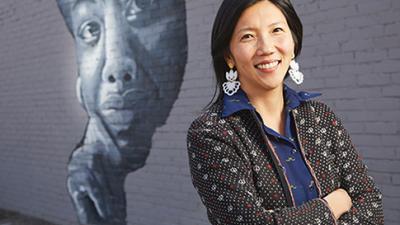
On The Inside
Emily Wang, MD’03, a professor in the Yale School of Medicine, explores the health effects that mass incarceration has on populations both inside and outside of prison — a subject that the COVID-19 pandemic has thrown into sharp relief.
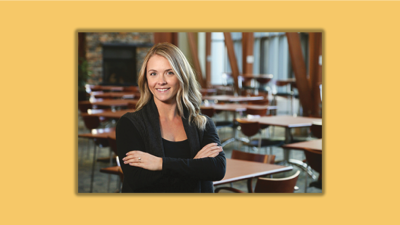
Improving Systems, Changing Lives
Kitty Hawk, located on North Carolina’s Outer Banks, is known to many tourists as a great spot for a carefree beach getaway. Julia Martin gained a different perspective of the town while growing up there, particularly when it comes to accessing health care.
Strong Foundation, Forever Grateful
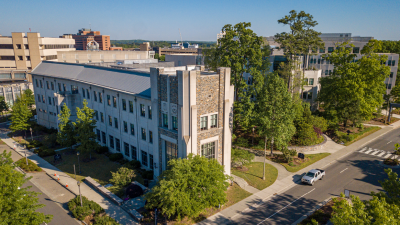
Though K. Becky Zagor, BSN’80, RN, MN, decided very early to become a nurse, she says the decision to attend Duke wasn’t as clear-cut. First, she didn’t think she was strong enough academically to compete. And second, her father had been out of work for six months during a tough 1970s recession, meaning her family couldn’t afford Duke.
Deep Roots at Duke
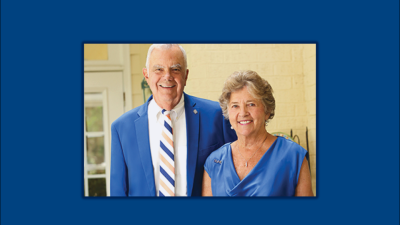
When Robert Yowell, MD’61, HS’64-’69, entered the Duke University School of Medicine in 1957, he was, by a pretty fair margin, the youngest student at the school.
A Firm Foundation
Peter Kohler, MD’63, HS’64, president emeritus of Oregon Health and Science University, traces many of the foundations of his life and career back to his time at Duke.
An Integrative Health Pioneer
Norman C. Shealy, BSM’56, MD’56, HS’56-’57, PhD, wakes up at 5 a.m. every weekday for a workout before heading into the clinic. “A light day is an hour of exercise,” he says. “Ninety minutes is more typical.”
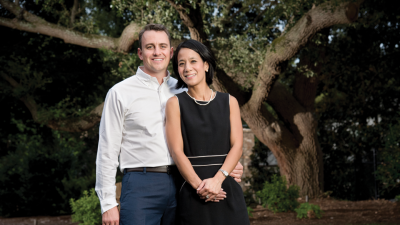
Meeting in the Middle
For Jane Trinh, MD’02, HS’02-’06, and her husband, Peter Grossi, MD’02, HS’02- ’08, Duke University School of Medicine was the place where they met in the middle.
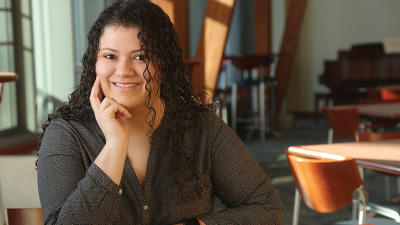
Fulfilling a Family Dream
Witnessing her mother battle cancer while going through a divorce was tough for Gabrielle Lasanta. A high school student at the time, she wasn’t sure if her newly single mother, burdened with the cost of cancer treatments, could afford to send her to college. But Lasanta’s mother wouldn’t hear of her forgoing a college education. They had come too far as a family.