


Why We're MADE FOR THIS
Learn what we're doing to transform health care, prepare the next generation of leaders, and solve the world's greatest medical challenges.
Stories
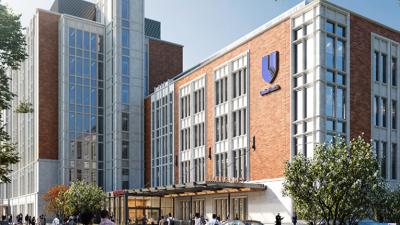
Duke Health Breaks Ground on Cary Expansion
The new facility will add hospital services to the existing Duke Health Cary location, including an emergency room, surgical services, imaging, cancer treatments, and other care.
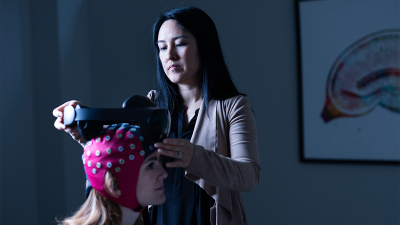

Partnership for the Gift of Sight
Sarah Rose Smale has been a patient of Sharon Freedman, MD, for almost 20 years. During that time, Freedman has helped the family preserve as much of Sarah Rose’s sight as possible and has guided them through multiple chronic and acute eye conditions, often from afar. In appreciation, Angela and Leonard Smale have been generous supporters of Freedman's research.

Philanthropy in Action: A Conversation with Dr. Manesh Patel
Dean Klotman and Manesh Patel, MD discuss the transformative role of philanthropy in advancing cardiovascular research and care at Duke. Their conversation highlights how the university's recent MADE FOR THIS fundraising campaign is fueling innovation, collaboration, and purpose-driven support to shape the future of heart health.
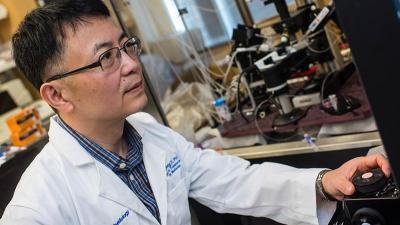
Experimental Painkiller Could Outsmart Opioids – Without the High
A Duke study shows the experimental drug SBI-810 blocks pain at its source—calming nerve signals without the side effects of opioids. In mice, it eased pain from surgery, bone fractures, and nerve injury without causing sedation or constipation.
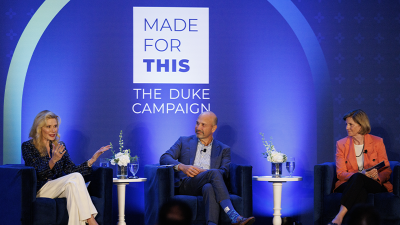
Duke Health Celebrates the MADE FOR THIS Campaign
More than 300 volunteers and friends joined Duke Health leaders, faculty, students, and staff for a special weekend May 1-3 highlighting the critical role of philanthropy in driving innovation, discovery, and patient care.
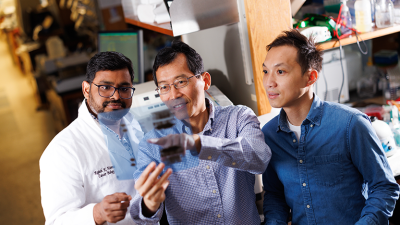
How a Little-Known Protein Powers Energy Production and Fights Cancer
Study led by Duke School of Medicine reveals cancer’s weak spot – a protein that helps cells make energy and stops cancer from growing.
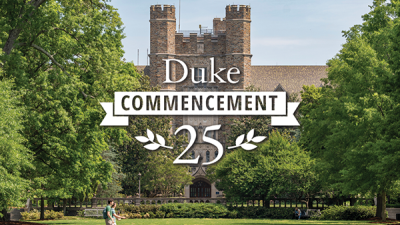
Meet the Graduates of the Class of 2025
Congratulations to the 442 students from the Duke University School of Medicine who graduated on Sunday, May 11, 2025, marking the successful culmination of their hard work and dedication.
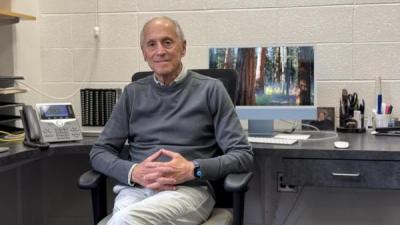
A Legacy of Discovery: Dr. Michael Hershfield’s Gift to Fuel the Next Generation of Translational Research
Professor of Medicine Michael Hershfield's research has transformed the lives of patients with rare immunodeficiencies and treatment-resistant gout. Now he's made a philanthropic gift to support early career physician-scientists at Duke.
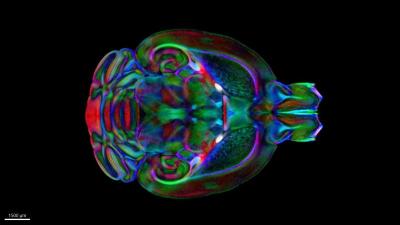
The Duke Mouse Brain Atlas Promises to Accelerate Studies of Neurological Disorders
A new, high-resolution atlas of the mouse brain will increase precision in measuring changes in brain structure and make it easier to share results for scientists working to understand neurological diseases such as Alzheimer's.